One major threshold believers of any faith tradition go through is when they make sense of their worship – or fail to do so. Many rituals observed as worship are learned during childhood usually as a part of culture or family activity. For the unfamiliar and critical eye, many of these rituals are irrational physical activity or theatrics. In this issue of The Fountain, Dr. Rubina Haleem takes one such ritual into focus – prostration, a physical form of worship which is found in almost all faith traditions. Dr. Haleem explains how lowering our head to touch the ground helps regulate our heart rate and blood pressure. An interesting fact she shares is that the brain seems to be both deeply quiet and fully awake at the same time during prostration, but in a real prayer, not mimed prayer.
The Lead Article emphasizes the same function of our worship, especially when conducted in houses of worship: “Within these sacred spaces, repeated acts of worship and invocation may appear identical on the surface. Yet, like recurring refrains in a poem, they give rhythm and structure to infinite thoughts and feelings.”
Researching on faith-based organizations, Dr. TL Hill of Temple University asks an important institutional question – when these organizations expand, they experience practical, secular pressures to operate like secular businesses. How, then, might we organize large-scale faith networks without losing the spirit-led, locally grounded soul of our work? In his article in this issue, TL Hill suggests an “orchestration from below” model and takes the Hizmet movement as an “exciting model of grassroots faith-in-action that other faith communities might learn from and adapt to their own traditions and structures.”
In “Returning Full,” Nurcan Mete explains how birds are indeed a true source of inspiration for a life of reliance on God and the benefits it brings. Birds are mentioned in a Prophetic tradition as a symbol of trust, which enables them possibly a life free from stress and after having fulfilled what they can do, they are able to return home “full.”
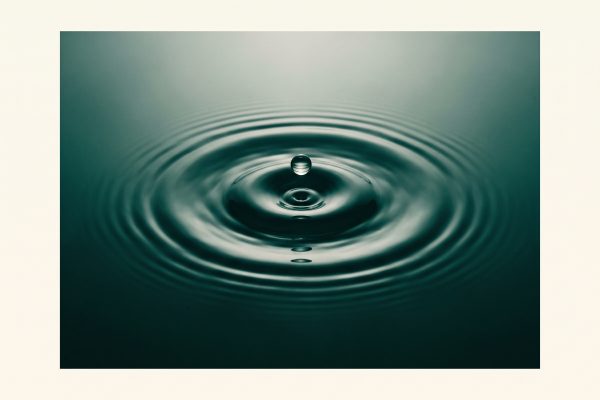
In this issue, we start a new contest in which we ask our readers to send a sentence of reflection in the form of a caption for the image on page 4. That image is based on one particular sentence from the Lead Article, which you need to find, and then you write down your own sentence inspired by the article. Winners and shortlisted captions will be announced in the next issue. Don’t forget to send your caption to [email protected].