The Surprising Health Benefits of Brown Fat
Gómez-Banoy, N., Barrero, J.A., Pinheiro de Carvalho, L.R. et al. Artificial intelligence-enabled clinical phenotyping of human brown fat. Nature, October 2026.
Not all body fat functions the same way. While white fat stores excess energy, brown fat burns energy to produce heat and help regulate body temperature. Scientists have long suspected that brown fat plays an important role in metabolism, but a new study suggests its benefits may extend much further.
Researchers used artificial intelligence to analyze medical scans and health records from more than 101,000 patients. They found that people with detectable brown fat were less likely to suffer from type 2 diabetes, heart disease, high blood pressure, anxiety, and depression. Those with more active brown fat also tended to have healthier blood sugar levels, better fat distribution, and lower levels of inflammation.
Interestingly, the location of brown fat also appeared to matter. Brown fat near the armpits showed particularly strong associations with cardiovascular health, suggesting that different deposits of this tissue may have distinct functions in the body.
The researchers also identified a surprising possibility involving losartan, a medication commonly prescribed for high blood pressure. Laboratory experiments showed that losartan could stimulate brown fat cells, while studies in mice demonstrated increased energy expenditure. These findings raise the possibility of developing treatments that activate brown fat to improve metabolic health.
Although further research is needed to determine whether increasing brown fat activity can directly prevent disease in humans, the study offers a promising new direction. What was once considered simply another form of body fat may hold important clues to protecting the heart, regulating metabolism, and improving overall health.
A Healing Touch for Dying Corals
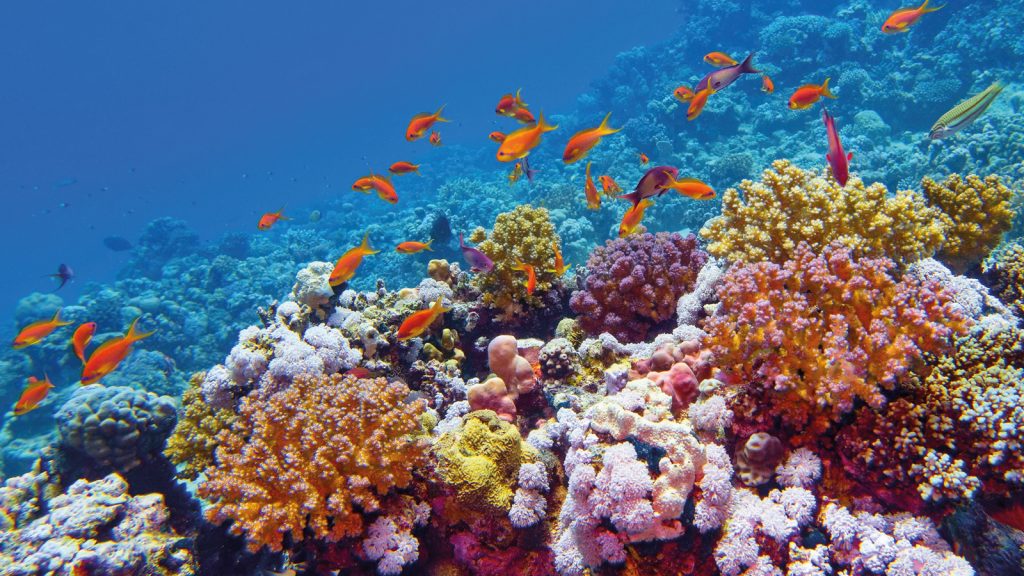
Collins, D. S., et al. Rapid coral bleaching recovery via symbiont transfer from healthy corals. Science Advances, October 2026.
Coral reefs are among the most diverse ecosystems on Earth, but rising ocean temperatures are putting their survival at risk. When corals experience prolonged heat stress, they expel the tiny algae living within their tissues, causing them to lose their vibrant colors and turn white. This process, known as coral bleaching, deprives corals of an important source of nutrients and can eventually lead to their death. However, researchers at Stanford University have discovered a surprising way to help bleached corals recover: bringing them into direct contact with healthy corals.
The discovery began when scientists noticed that a healthy coral fragment touching a bleached one appeared to restore its color. To investigate, they conducted experiments using healthy and bleached fragments from the same coral. They found that when the fragments touched, their tissues fused, allowing beneficial algae to move from the healthy coral into the bleached one.
The results were remarkable. Bleached corals began recovering within days and regained their health within eight weeks. Even after just one week of contact, some fragments could continue recovering on their own. In contrast, bleached corals kept separate from healthy fragments eventually died.
This technique currently works only between genetically identical coral fragments, and further research is needed to determine whether it can be applied to reefs in the wild. Nevertheless, the discovery offers new hope for coral conservation. As warming oceans continue to threaten reefs worldwide, scientists may have found a way to help damaged corals recover by drawing on the healing potential of their healthy neighbors.
Even Orangutans Need Playdates
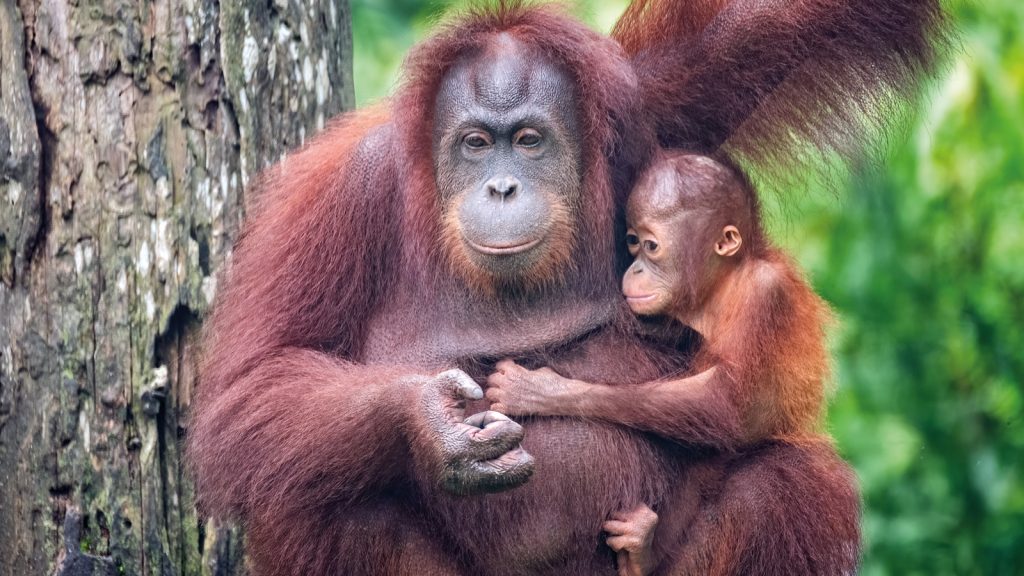
Jacobson, O. T., et al. Maternal ranging strategies facilitate offspring social play at energetic cost in the most solitary ape. Proceedings of the National Academy of Sciences, October 2026.
Orangutans are known for their solitary lifestyles. Unlike many other primates, they spend much of their lives alone, with mothers usually accompanied only by their young. Yet a recent study suggests that orangutan mothers make special efforts to ensure their offspring have opportunities to play with others.
Researchers studying wild Bornean orangutans in Indonesia examined 15 years of observations involving 31 mother-offspring pairs. They discovered that mothers with similarly aged young were more likely to spend time in overlapping areas of the forest, giving their offspring opportunities to interact and play.
These encounters appeared to involve considerable effort. On days when their young played with others, mothers traveled farther than usual and spent less time feeding. Researchers also observed that mothers traveled greater distances in the days leading up to these encounters, often moving toward areas occupied by potential playmates. This suggests that the meetings were not simply accidental. Instead, mothers appeared to adjust their movements to create opportunities for their offspring to socialize, even at the expense of their own energy.
Play is believed to be important for developing social skills and learning how to interact with others. For young orangutans, whose solitary lifestyles provide few opportunities to meet companions, these encounters may be especially valuable. The findings reveal an overlooked aspect of maternal care in one of the world’s most solitary animals. Even among creatures that spend much of their lives alone, the need for companionship and social development appears to shape how mothers care for their young.